

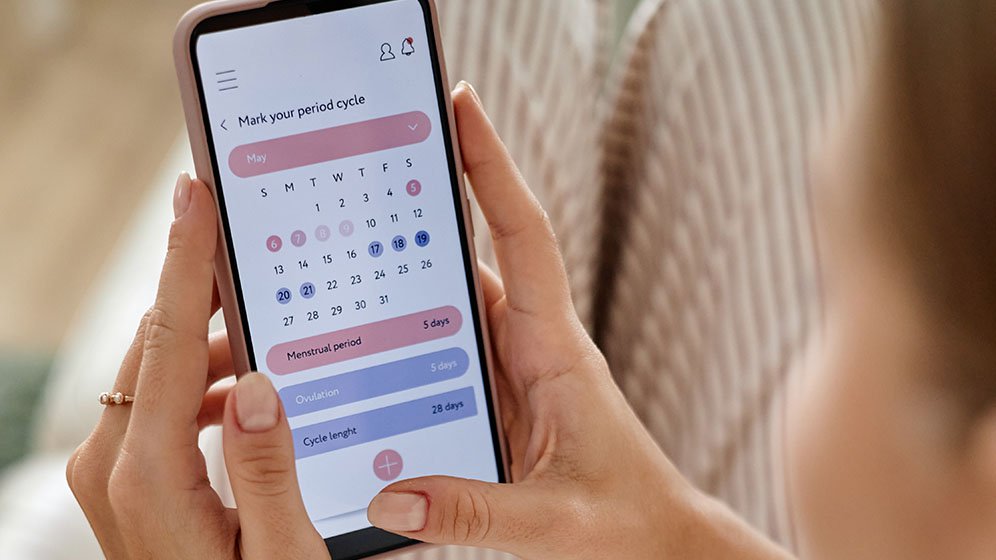
It is possible to get pregnant on your period, despite the common belief that this time in your cycle is risk-free. Pregnancy can occur at different points in your cycle due to cycle variations, making it difficult to rely on timing alone. Every body follows its own unique pattern that dictates the fertile window. If you find yourself unsure, taking a pregnancy test can help give you clear answers you need.
What Are the Chances of Getting Pregnant on Your Period?
Your chances of getting pregnant during your period are low, but not zero. There is always the possibility of pregnancy when you have unprotected sex. Sperm can survive up to five days inside you. Even if you have intercourse several days before you ovulate, there is still a chance for fertilization.
How Many Days After Your Period Can You Get Pregnant?
Depending on your cycle length, you may have a higher chance of getting pregnant in the days after your period. Once your period ends, your body enters the follicular phase of the menstrual cycle. During this phase, a follicle within your ovary matures in preparation for ovulation.
While the average cycle length is around 28 days, shorter cycles of around 21-24 days are still considered normal. A shorter cycle could mean that ovulation occurs earlier than you might realize. In these cases, ovulation can occur earlier than expected. Because sperm can live in the body for up to 5 days, having sex soon after your period could fall within your fertile window.
The sample cycles below illustrate how fertility timing can vary depending on cycle length with most fertile days in bold.
-
Average 28-day cycle:
- Days 1-5 (Menstrual phase)
- Days 6-13 (Follicular phase)
- Day 14 (Ovulatory phase)
- Days 15-28 (Luteal phase)
-
Shorter 21-day cycle:
- Days 1-3 (Menstrual phase)
- Days 4-7 (Follicular phase)
- Days 8-9 (Ovulatory phase)
- Days 10-21 (Luteal phase)
Can You Get Pregnant on Day 4 of Your Period?
You can get pregnant on day 4 of your cycle, although it’s not very likely. If your cycle tends to be shorter, around 21 days, your chances may be higher. This is because sperm can live in the body for up to 5 days, meaning intercourse on day 4 could coincide with early ovulation.
Can You Get Pregnant Right Before Your Period?
While it is possible to get pregnant at this point in your cycle, the luteal phase is considered the least fertile time. After ovulation has occurred, the egg only survives for about 12–24 hours, making the chances of pregnancy right before your period very low.
However, it’s important to remember that ovulation timing isn’t always exact. Without medical confirmation, it can be difficult to know precisely when ovulation has occurred. Due to this natural variation, there is still a small possibility of pregnancy, even when the risk is minimal.
Can You Get Pregnant Right After Your Period Ends?
You can get pregnant right after your period ends, especially if you have a shorter or irregular cycle. Some people also ovulate earlier than average, regardless of cycle length. While possible to conceive at this time, it’s typically not considered your most fertile window.
What Determines Your Chances of Pregnancy?
Your chances of becoming pregnant at any point in your cycle depend on several key factors. While timing plays a major role, your body doesn’t always follow a perfect pattern. Because these factors can vary from cycle to cycle, estimating your chances based on timing alone isn’t always reliable.
Some of the biggest factors include:
- Ovulation timing: Pregnancy only occurs if sperm fertilizes the egg during ovulation
- Cycle length: Shorter cycles may lead to earlier ovulation and a longer potential fertile window
- Sperm lifespan: Sperm can live in the body for up to 5 days
- Hormonal fluctuations: Small shifts in hormones can impact the timing of ovulation
- Cycle regularity: Irregular cycles can make it harder to predict your most fertile days
Menstrual Cycle Phases
Whether trying to conceive (TTC) or prevent pregnancy, it’s helpful to understand the different phases of your menstrual cycle and the part each plays in fertility. Knowing what happens during each phase can empower you to make more informed decisions about your reproductive health.
Menstrual Phase
The menstrual phase begins on the first day of your period, when the body sheds the uterine lining from your previous cycle. Hormone levels are at their lowest, and this phase usually lasts about 3-7 days.
Impact on fertility: Fertility is low during this phase because there is no egg for fertilization.
Follicular Phase
The follicular phase begins once your period ends and continues until ovulation. During this time, a follicle within your ovary matures, preparing to be released. Estrogen rises, and your uterine lining becomes thicker to prepare for a potential pregnancy.
Impact on fertility: Fertility gradually increases as ovulation approaches, especially in the days leading up to it.
Ovulatory Phase
The ovulatory phase takes place when an egg is released from the ovary. This is the most fertile time during your cycle, as the egg is available for fertilization for up to 24 hours. The days leading up to ovulation are also considered your “fertile window” due to sperm survival.
Impact on fertility: This is your peak fertility window and the time when pregnancy is most likely to occur.
Luteal Phase
The luteal phase occurs after ovulation and lasts until your period begins. During this time, progesterone rises to support a potential pregnancy. If fertilization doesn’t occur, hormone levels drop, triggering the start of your next cycle.
Impact on fertility: Fertility is low during this phase because ovulation has already occurred, and the egg is no longer available.
Can You Have Sex on Your Period?
You can have sex on your period, as well as during any other phase of your cycle. If you’re not trying to conceive, it’s important to use protection to help prevent both STIs and pregnancy. While chances are lower, pregnancy is still possible when having sex during your period.
Depending on your flow, you may find it more comfortable to use a towel or have sex in the shower.
When Should You Take a Pregnancy Test After Period Sex?
If you think you might be pregnant after having sex during or around your period, you can take a pregnancy test up to 5 days before your expected period. Taking a reliable test at the right time in your cycle can give you a clear answer. With FIRST RESPONSE™ Early Result, you may be able to detect results as early as 6 days before your expected period.1 If you prefer a clear, easy-to-read result, the FIRST RESPONSE™ Digital Pregnancy Test offers a simple “yes” or “no” answer. For extra reassurance, the FIRST RESPONSE ™ Multi-Check Test Kit offers multiple ways to test, including the EasyCup and 2 rapid result stick tests.
There is no true “safe zone” for unprotected sex throughout your cycle. Chances of conceiving during your period are low, but not impossible. Playing it safe and always using a method of birth control can give you peace of mind. Knowing when your chances are higher can also help you take control of your fertility.
When timing and symptoms leave you unsure, testing can give you the clarity you need to move forward with confidence.

The first phase of your cycle is called the follicular phase. This begins on Day one of your cycle, which is the first full day of menstrual bleeding when the lining of the uterus starts to shed.

Knowing you are pregnant sooner affords you an early start on a healthier pregnancy for both you and your baby. Most women know the basic early signs of pregnancy, especially a missed period. But that's not the only sign. If you're wondering whether or not you're pregnant, it's probably time to take a pregnancy test – especially if you're experiencing any of the following early pregnancy symptoms.

Why Early Pregnancy Detection Matters The first few weeks of pregnancy are critical to fetal development, so early prenatal care is important to healthy birth weight and baby survival.