


Whether you’re trying to conceive or hoping for a negative, many people wonder how many pregnancy tests they should take. In most cases, taking one pregnancy test is usually enough. That said, factors like timing, test sensitivity, and expiration date can all impact the reliability of your result. While it’s natural to want to take a few tests for reassurance, one well-timed test is typically all you need.
How Do Pregnancy Tests Work?
Pregnancy tests work by detecting the hormone human chorion gonadotropin (hCG) in your body. After a fertilized egg implants in your uterus, usually within 6-10 days post ovulation, it begins producing hCG which enters your bloodstream and urine. Depending on the type and sensitivity of the pregnancy test, traces of hCG may be detectable as early as 6 days before your missed period. If hCG is present and detectable, the test line will show two lines, plus sign, or digital “pregnant” result. If no hCG is detected, the result will be negative and show only one line, a minus sign, or digital “not pregnant” result.
When Should I Take a Pregnancy Test?
The best time to take a pregnancy test is the day after your missed period. While some pregnancy tests can provide accurate results as early as six days before your missed period, testing too early may lead to a false negative. If you tested early and got a negative result, but your period is late, it’s a good idea to test again. Our pregnancy test calculator tool can help you narrow down the best testing window.
How Long Should I Wait Between Pregnancy Tests?
The hormone hCG tends to double every 48 to 72 hours. If you plan on taking multiple tests, it’s best to wait at least two days between them to allow hormone levels to rise enough for a more reliable result.
When to Stop Taking Pregnancy Tests After Getting a Positive
Getting a positive pregnancy test can bring a mix of excitement, uncertainty, relief, and anxiety. You should schedule a visit with your doctor to confirm that you are pregnant. During this time, it can be tempting to keep testing for reassurance. While this may seem harmless, repeated testing after a positive can often lead to more confusion rather than clarity.
1. Line Progression isn’t Reliable
Especially within the trying to conceive (TTC) community, many people take multiple tests each day to track line progression, hoping to see the line get darker. However, taking too many tests or focusing on line progression can lead to unnecessary stress. Either way, after your first positive test, confirm your results with your doctor.
2. Can Prolong Emotional Stress
Taking multiple tests can quickly become overwhelming. Instead of offering reassurance, it can lead to overanalyzing results, second-guessing every change, and increasing anxiety during an already emotional time.
3. Home Tests Don’t Confirm Pregnancy Viability
Pregnancy tests can only detect the presence of hCG. They won’t confirm viability or provide details about your pregnancy. Only healthcare providers can determine how pregnancy is progressing.
What if My Period is Late but My Pregnancy Test is Negative?
Your period can be delayed for a number of reasons beyond pregnancy. Stress, illness, breastfeeding, changes in birth control, and some medications can all impact your cycle and cause your period to arrive late. It’s also possible that you miscalculated the length of your menstrual cycle. However, if your period is still late after several days or you have ongoing concerns, it’s important to contact your physician to rule out more serious causes.
Chemical Pregnancy
Chemical pregnancies are fairly common and usually caused by chromosomal abnormalities. Some people may experience a late or slightly heavier period, cramping, or pregnancy symptoms that quickly fade. Many women never even realize they had a chemical pregnancy.
Although it happens early, it can still be emotionally difficult. If you suspect this may be happening to you, reach out to your healthcare provider for guidance and support.
Ectopic Pregnancy
While rare, ectopic pregnancies can sometimes show up as a negative on a pregnancy test. Ectopic pregnancies are considered medical emergencies and require immediate treatment. You should seek immediate medical attention if you experience the following symptoms in addition to your missed period:
- Severe pain in your lower abdomen
- Bleeding or spotting
- Nausea and vomiting
- Lightheadedness
When it comes to taking pregnancy tests, more isn’t always better. In most cases, one well-timed test is enough to determine if you’re pregnant. Remember that pregnancy tests are only meant to detect hCG, they cannot tell how far along you are, the viability of a pregnancy, or provide other details. By understanding when to test, you can feel more confident in your results, whatever outcome you’re hoping for.
The content provided on this page is intended for informational and educational purposes only. It is not a substitute for professional medical advice, diagnosis, or treatment. Always seek the advice of a qualified healthcare provider with any questions you may have regarding a medical condition.
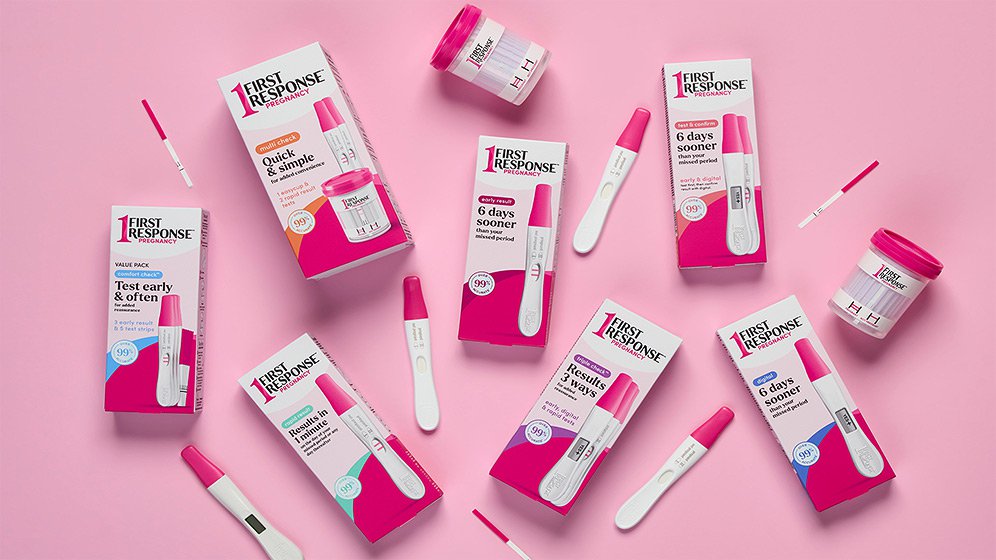
When you need a pregnancy test to help you know if you are pregnant, there are several convenient and accurate at-home pregnancy test kits you can choose from. But do you want to pee on a stick (POAS) or in a cup? Analog or digital tests? We’ve got a quick primer to help you understand the different types of pregnancy tests – whether you’re looking for something quick, easy-to-use, discreet, or a combination of these features!

When you’re trying to conceive, knowing when you are most likely to get pregnant is crucial. Each month, there is a short window when an egg can be fertilized and implant in the uterus. Learn how to calculate these best days to conceive by tracking ovulation and seizing the opportunity on your most fertile days.
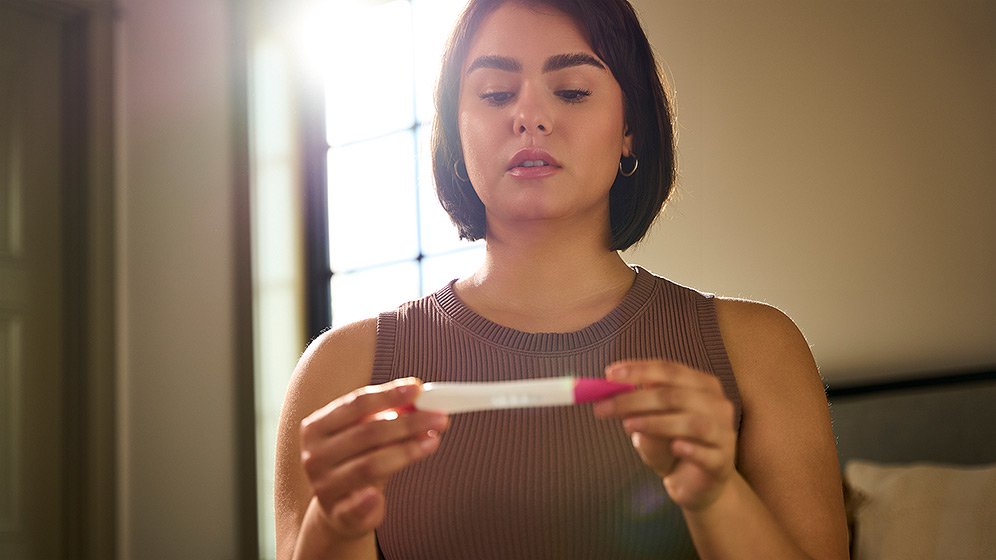
You pee on a stick and then a few minutes later the answer to one of the biggest questions in a woman’s life appears, seemingly almost by magic, in a small window. It reads either “pregnant” or “not pregnant.”