
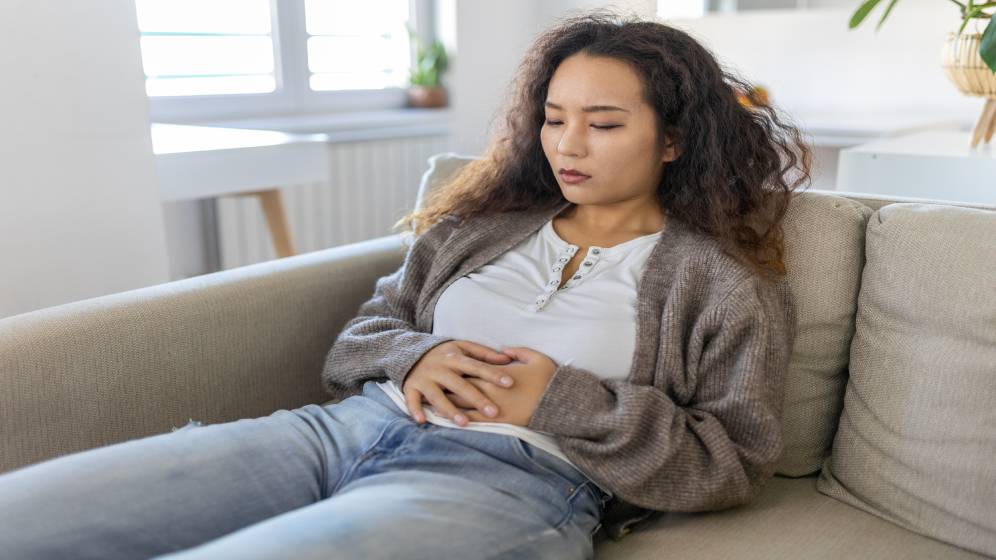
Whether or not you are trying to conceive, the luteal phase of the menstrual cycle can feel especially confusing. In the two weeks leading up to your period, symptoms like cramping, fatigue, mood swings, and even nausea are all common.
If you’re hoping to be pregnant, you may start to notice just how much overlap exists between PMS and early pregnancy symptoms. It’s natural to wonder if your body is trying to tell you something or determine if this cycle is different. While it might seem like you should be able to predict early pregnancy based on symptoms alone, the reality is much more complex.
What Is PMS?
PMS, or Premenstrual syndrome, is a group of physical and emotional symptoms that appear after ovulation and before your period starts. During this phase, progesterone rises to support a potential pregnancy. If pregnancy doesn’t happen, hormone levels fall triggering a range of symptoms like bloating, cramping, fatigue, and mood changes.
For those with regular cycles, these symptoms often follow a familiar pattern each month, typically fading once the menstrual phase begins. However, it's still possible to experience new or slightly different PMS symptoms, even if your cycle length remains consistent.
Can PMS Cause Nausea?
PMS can cause nausea, although it’s usually less common and less intense than nausea in early pregnancy. Progesterone can cause digestion to slow, contributing to mild discomfort and bloating, which sometimes leads to feeling queasy.
What are Early Pregnancy Symptoms?
Early pregnancy symptoms can begin shortly after implantation, when a fertilized egg attaches to the uterine lining. Your body begins producing the pregnancy hormone known as human chorionic gonadotropin (hCG), along with continued progesterone support. The most common early pregnancy symptoms include fatigue, breast tenderness, mild cramping, spotting, and mood changes.
When you’re in that in-between stage of wondering, having a test you trust like a FIRST RESPONSE™ Early Result Pregnancy Test can help give you answers sooner 1 instead of guessing based on symptoms alone.
PMS vs. Pregnancy Symptoms: Quick Difference Guide
While PMS and early pregnancy can feel very similar, certain symptoms may appear more often in one than the other. PMS is more commonly associated with symptoms like cramping, acne, bloating, and mood swings. Early pregnancy is more likely to cause food aversions, breast changes, nausea, and increased urination.
There is still plenty of overlap between the two. Symptoms like mood changes, bloating, and even spotting can occur in both. The chart below breaks down how frequently these symptoms tend to appear in PMS and early pregnancy, helping you better understand what your body might be experiencing. This chart is not a definitive list and every person may experience varying symptoms.
| Symptom | PMS | Early Pregnancy |
|---|---|---|
| Cramping | Frequently | Occasionally |
| Nausea | Occasionally | Frequently |
| Spotting | Occasionally | Occasionally |
| Breast Changes | Rare | Frequently |
| Mood Changes | Frequently | Frequently |
| Bloating | Frequently | Frequently |
| Acne | Frequently | Occasionally |
| Food Aversions | Rare | Frequently |
| Missed Period | Rare | Frequently |
| Headaches | Frequently | Frequently |
| Increased Urination | Occasionally | Frequently |
Why Do PMS and Pregnancy Feel So Similar?
PMS and early pregnancy symptoms feel so similar because they are driven by many of the same hormones. After ovulation, your body enters the luteal phase, where progesterone rises to prepare the uterus for a possible pregnancy.
- If pregnancy doesn’t happen, progesterone levels drop, which triggers your period and the symptoms we associate with PMS.
- If pregnancy does happen, progesterone stays elevated and another hormone, hCG, begins to rise to support the pregnancy.
Because progesterone is present in both scenarios, symptoms like bloating, fatigue, mood changes, and breast tenderness can feel nearly identical at first.
PMS vs. Pregnancy Symptom Timeline
Days 1-14: Before Ovulation
- Minimal or no noticeable symptoms
Day 14: Ovulation
- PMS: fertilization does not occur
- Pregnancy: fertilization occurs
Days 15-19 (1-5 DPO (Days Past Ovulation)): Early Luteal Phase
- Progesterone Rises; symptoms are the same
Days 20-24 (6-10 DPO): Implantation Window
- PMS: mild bloating; mood changes begin
- Pregnancy: possible implantation, light spotting, subtle fatigue
Days 25-28 (11-14 DPO): Late Luteal Phase
- PMS: Cramping, acne, PMS peaks
- Pregnancy: fatigue increases, breast tenderness, early nausea possible
Days 28+: Period Begins or Missed Period
- PMS: period starts, symptoms fade
- Pregnancy: no period, symptoms continue
How Do I Know if I’m Pregnant or It’s Just My Period?
Symptoms alone cannot confirm pregnancy. The most reliable way to know for sure is by taking a pregnancy test at the right time. Waiting to test during the luteal phase can be one of the most challenging parts of your cycle but relying on symptoms to determine pregnancy can be misleading and sometimes even lead to unnecessary disappointment.
Without testing or waiting until your missed period, your body may offer clues, but it won’t give you a definitive answer. If you’re feeling unsure about what you’re seeing or interpreting, a digital test like the FIRST RESPONSE™ Digital Pregnancy Test can provide clear “Yes+ / No–” results, so you don’t have to second-guess faint lines.
Is a Missed Period Always Pregnancy?
There are several reasons a period could be late besides pregnancy. Hormone imbalances, stress, birth control, and irregular cycles can delay your menstrual cycle. However, a missed period is often a sign of pregnancy. You should take a pregnancy test to rule it out before considering other causes. If your period is often late or irregular, you should consider scheduling a visit with your healthcare provider.
When to Take a Pregnancy Test
Knowing when to take a pregnancy test can help take some of the guesswork out of the equation. With early detection tests like FIRST RESPONSE™ Early Result Pregnancy Test, you can find out up to 6 days before your missed period 1.
However, timing matters when it comes to pregnancy test accuracy. The earlier you test, the higher the chance for a false negative. If you receive a negative result but your period is late, it may be too soon. You should consider testing again in a few days for a more reliable answer.
PMS and pregnancy symptoms can be misleading. With so much overlap depending on where you are in your cycle, symptoms alone aren’t a reliable way to determine pregnancy. When your body leaves you guessing, testing can give you the clarity you need to move forward with confidence. With options designed for early detection and easy-to-read results, FIRST RESPONSE™ helps you get answers when it matters most.
The content provided on this page is intended for informational and educational purposes only. It is not a substitute for professional medical advice, diagnosis, or treatment. Always seek the advice of a qualified healthcare provider with any questions you may have regarding a medical condition.

Decidir comenzar a tratar de concebir es una de las decisiones más importante y emocionantes que tomarás. Es por eso que debes pensarlo mucho antes de comenzar.

Knowing you are pregnant sooner affords you an early start on a healthier pregnancy for both you and your baby. Most women know the basic early signs of pregnancy, especially a missed period. But that's not the only sign. If you're wondering whether or not you're pregnant, it's probably time to take a pregnancy test – especially if you're experiencing any of the following early pregnancy symptoms.

Many people focus on missing their period as one of the first signs of early pregnancy. You might be surprised to learn that a small amount of blood and some cramping – known as implantation bleeding – can be a sign of pregnancy as the fertilized egg attaches to the uterine lining and your 9-month journey begins.